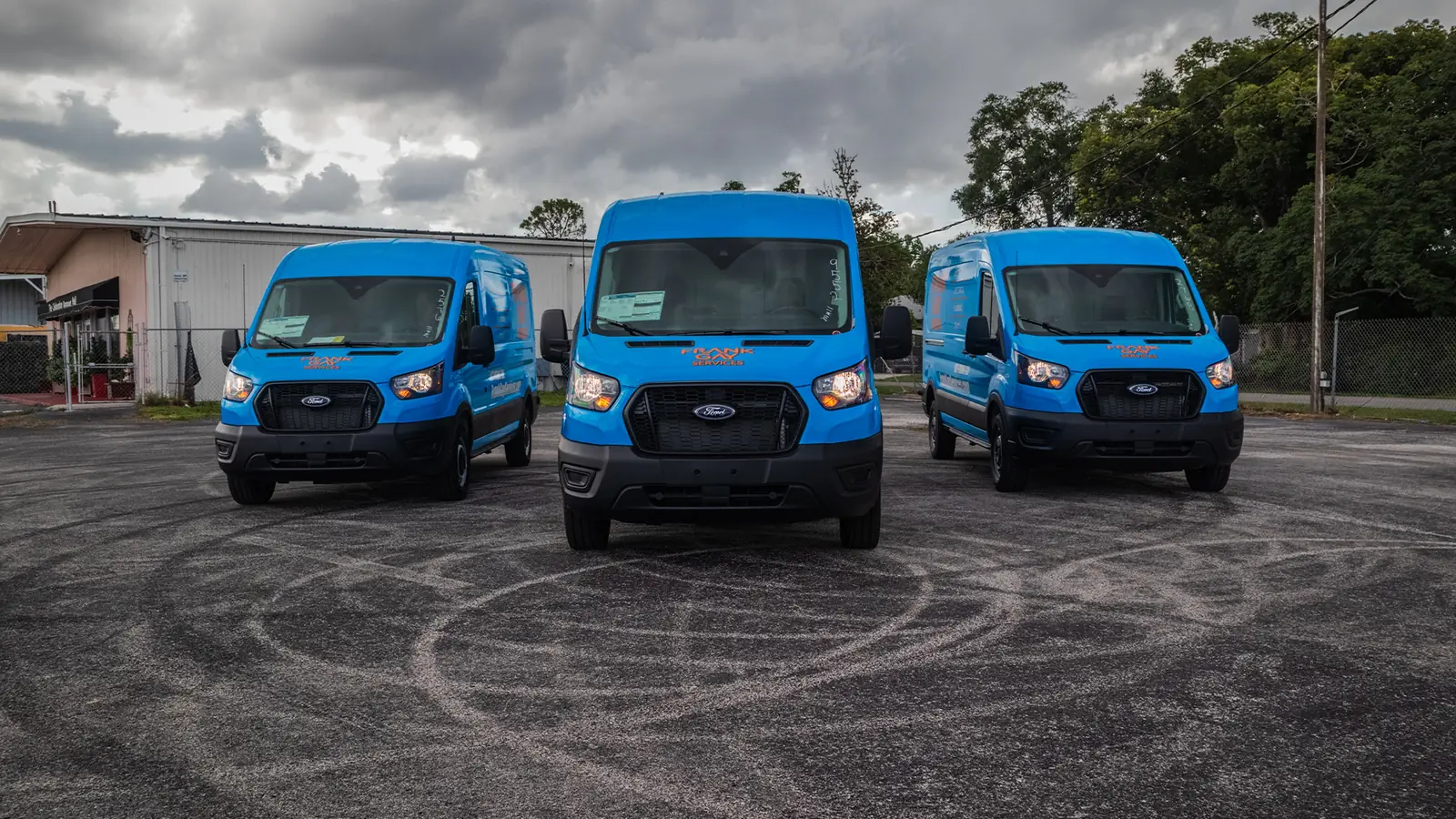
Car wraps are a fantastic way to customize your vehicle, protect its original paint, or promote your business. However, understanding the time, process, resources, and cost involved in a car wrap installation can help you make an informed decision. In this blog, we’ll break down the key factors, from installation timelines to the resources used and the overall cost, giving you a comprehensive look at what to expect when wrapping your vehicle.
Table of contents

Installation Time
1. Preparation Time
- Firstly, the process begins with a thorough cleaning and preparation of the vehicle’s surface, which can take 2–4 hours. Secondly, any dirt, grease, or old adhesives must be removed to ensure the wrap adheres properly.
2. Installation Process
- For a full-body wrap, installation can take anywhere from 3 to 5 days, depending on the size of the vehicle and also the complexity of the design.
- Partial wraps or accent wraps, such as hood or roof wraps, typically take 1 to 2 days to complete.
3. Post-Installation Inspection
- After the wrap is applied, certainly it’s inspected for air bubbles, wrinkles, or imperfections. This process ensures the wrap is secure and seamless, adding another 1–2 hours.
Resources Needed for a Car Wrap Installation
1. High-Quality Vinyl
- The type of vinyl used plays a significant role in the final appearance and also the durability of the wrap. Premium materials ensure vibrant colors, in addition of durability, and resistance to weather conditions.
2. Application Tools
- Essential tools include squeegees, heat guns, cutting tools, and cleaning supplies. Professionals use these to ensure a flawless application.
3. Expertise
- A professional installer’s experience is invaluable. Above all, wrapping requires precision to align designs, avoid bubbles, and ensure smooth application over curves and edges.
4. Workspace
- A clean, temperature-controlled environment is critical for a successful wrap installation. Dust or extreme temperatures can compromise the adhesive, leading to imperfections.
Cost Breakdown
1. Full Wraps
- Cost Range: $3,000–$5,000
- Factors like vehicle size, wrap material, and complexity of the design also influence the final price. For instance, Larger vehicles or intricate designs with multiple colors and custom graphics will be on the higher end.
2. Partial Wraps
- Cost Range: $1,000–$2,500
- Partial wraps, such as hoods, roofs, or side panels, are more affordable and allow for targeted customization.
3. Additional Costs
- Customization: Custom graphics, logos, or intricate designs may incur additional costs for design work and also printing.
- Maintenance: While wraps are durable, regular cleaning and care are essential for maintaining their appearance and longevity.
Benefits of Understanding Time, Resources, and Cost
- Realistic Expectations: Knowing the time and resources involved helps you plan for the installation process, ensuring your vehicle is ready for customization without surprises.
- Informed Budgeting: Understanding the cost breakdown allows you to allocate your budget effectively and decide between full or partial wraps based on your needs.
- Appreciation for Quality: Investing in professional installation and high-quality materials ensures a wrap that not only looks great but also lasts for years, making it worth the cost.

Conclusion
Car wraps are a worthwhile investment for vehicle customization, offering stunning visuals and practical protection. By understanding the installation time, resources required, and cost involved, you can make the best decision for your needs and budget. Whether you’re considering a full wrap or a smaller project, knowing what goes into the process helps ensure satisfaction with the final result.
Visit our Instagram for car wrap inspiration, or call us at (407) 447-9045 to schedule a consultation. Let Wraps For Less bring your vision to life with high-quality car wraps tailored to your needs!