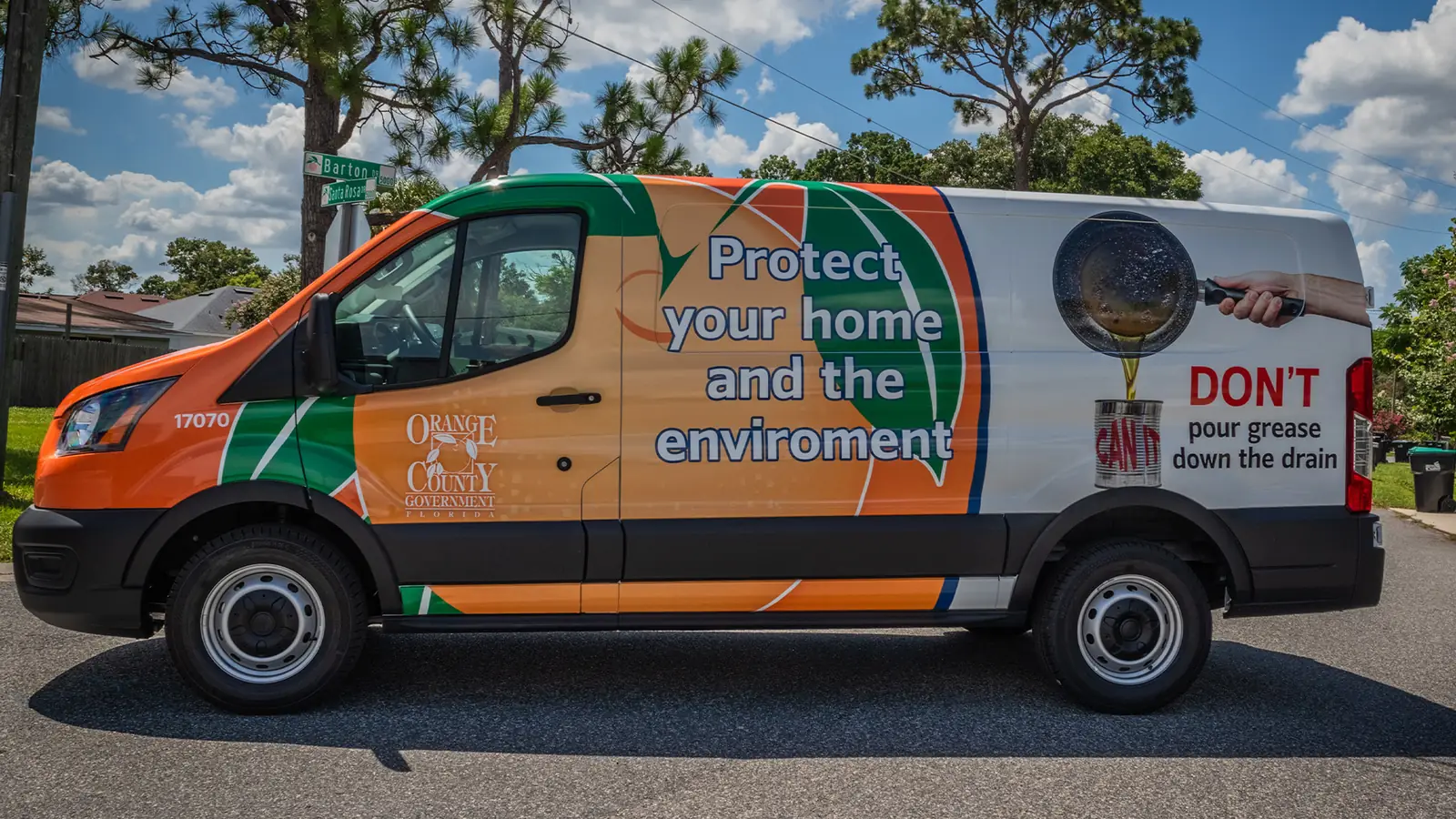
As awareness of environmental issues grows, industries across the board are reevaluating their practices, and also the car wrapping industry is no exception. With advancements in materials and techniques, given that, the car wrapping has emerged as a more sustainable alternative to traditional paint jobs. In this blog, we’ll explore the environmental benefits of car wrapping, the rise of eco-friendly materials, and also how this industry is adapting to meet the demands of environmentally conscious consumers.
Table of contents

Environmental Benefits of Car Wrapping
1. Reduced Chemical Usage
- Traditional paint jobs require primers, paints, and clear coats that emit volatile organic compounds (VOCs), which for the most part contribute to air pollution. Car wraps eliminate the need for these harmful chemicals, in order to make them a cleaner and safer alternative.
2. Minimal Waste
- Car wraps are cut and applied with precision, resulting in less waste compared to the excess paint and materials often discarded during traditional paint jobs. Additionally, some vinyl wraps are recyclable, reducing their environmental footprint.
3. Energy Efficiency
- Unlike paint jobs, which often require energy-intensive curing processes, car wraps involve minimal energy usage during installation. This makes wrapping a more energy-efficient solution.
4. Longevity
- A high-quality car wrap can last 5–7 years, protecting the vehicle’s original paint and reducing the frequency of repainting or refinishing. This extended lifespan decreases the overall environmental impact over time.
Eco-Friendly Innovations in Car Wrapping
1. Sustainable Vinyl Materials
- Manufacturers are now producing eco-friendly vinyl wraps that are free from harmful chemicals and also made from biodegradable or recyclable materials. These options provide the same durability and vibrant colors as traditional vinyl while being better for the planet.
2. Recycling Programs
- Some companies offer recycling programs for used vinyl wraps, ensuring that old materials don’t end up in landfills. By repurposing or recycling wraps, the industry is reducing its environmental impact.
3. Reduced Manufacturing Emissions
- Advances in production technology have allowed manufacturers to lower the carbon footprint of wrap materials, making them more sustainable from start to finish.
Benefits of Choosing Environmentally Friendly Car Wraps
- Protect the Environment:
- Opting for eco-friendly materials reduces harmful emissions, minimizes waste, and supports sustainable practices.
- Support Green Businesses:
- Choosing companies that prioritize sustainability encourages the industry to continue investing in environmentally friendly innovations.
- Cost-Effective Over Time:
- While eco-friendly wraps may have a slightly higher upfront cost, their durability and reduced maintenance needs often make them a more economical choice in the long run.

Conclusion
The car wrapping industry is evolving to meet the growing demand for sustainable and eco-friendly solutions. By choosing environmentally friendly wraps and supporting businesses that prioritize sustainability, you can reduce your carbon footprint while still enjoying the benefits of vehicle customization and protection.
Visit our Instagram for more content on sustainable car wrapping, or call us at (407) 447-9045 to learn about eco-friendly options for your next wrap. Transform your vehicle responsibly with Wraps For Less!